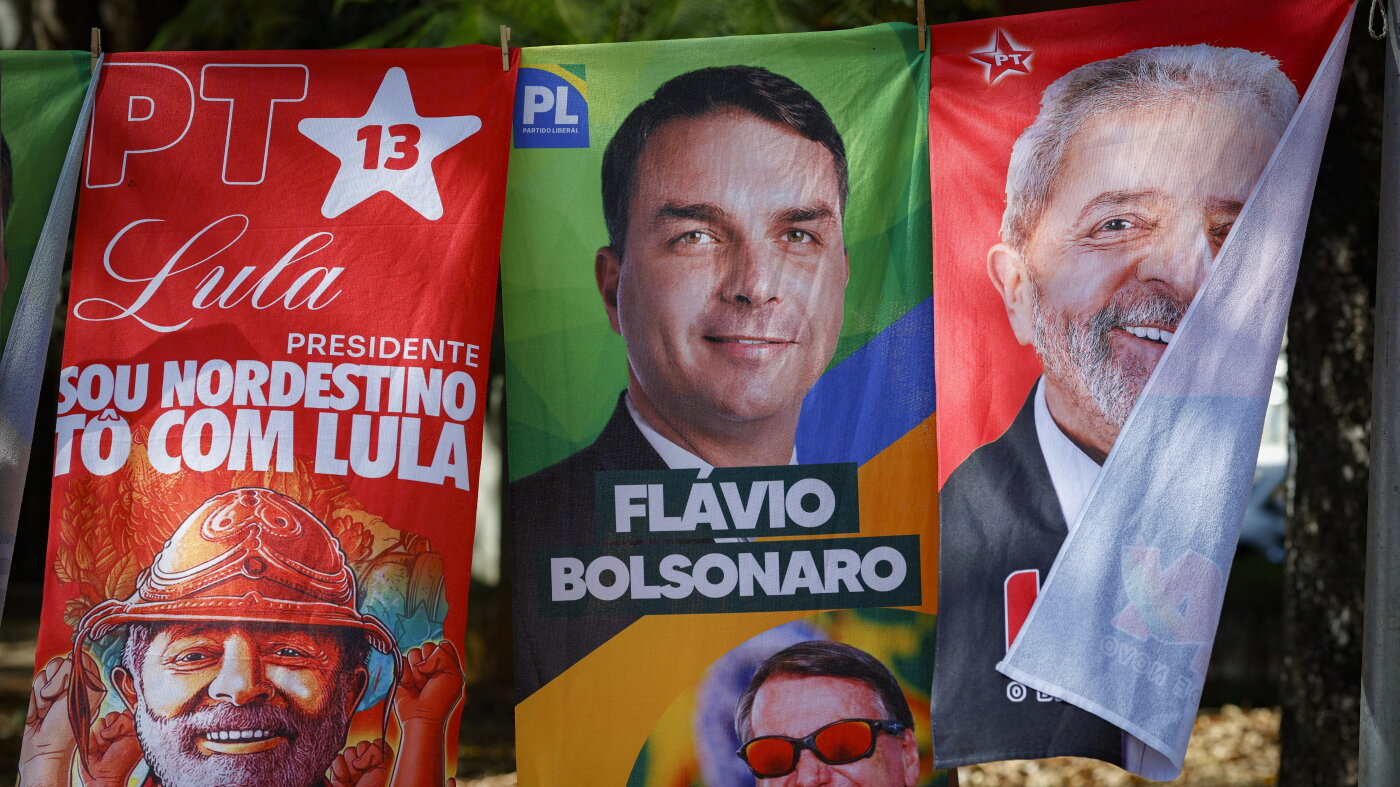
On Sunday, October 4, 2026, Brazil heads to the polls for a presidential election that mirrors its deeply polarized 2022 race—but with a dramatic family twist.
Leftist President Luiz Inácio Lula da Silva, 80, is seeking a fourth term. Facing him is 45-year-old Senator Flávio Bolsonaro. Flávio is the son of former President Jair Bolsonaro, who is currently serving a 27-year prison sentence for plotting a coup to overturn his 2022 defeat.
The Players and the Rematch
While Flávio brands himself as a "more moderate" Bolsonaro, his campaign platform closely mirrors his father's conservative populist movement. He supports expanding gun rights, questions human-driven climate change, and has explicitly promised to pardon his father if elected.
Lula, whose past corruption convictions were annulled in 2021, campaigns on his record of poverty reduction and Amazon protection. However, his administration faces headwinds from slowing economic growth and voter anxiety over public spending, security, and corruption.
Local Concerns and Global Stakes
While the ideological battle dominates headlines, everyday Brazilians are focused on kitchen-table issues:
- Security & Corruption: Voters are highly concerned about rising insecurity and recent bribery scandals linking politicians to a jailed ex-banker.
- The Supreme Court: The winner of this election will nominate four of the eleven Supreme Court justices, securing immense influence over the judiciary for years.
- Economic Direction: Flávio’s team aims to slash spending to reduce national debt, mimicking Argentina’s Javier Milei, whereas Lula favors public investment to spur growth.
The Shadow of the U.S. and What's Next
The United States has emerged as an unusually visible presence in this campaign. Flávio’s rallies feature American flags, reflecting his pledge to align closely with Donald Trump. Meanwhile, Lula has pushed back against U.S. pressure regarding tariffs and judicial independence, accusing Washington of election meddling.
If no candidate secures more than 50% of the vote on Sunday, the top two will head to a runoff on October 25. Political analysts warn that a narrow Lula victory is highly likely to trigger challenges to the electronic voting system from Bolsonaro’s loyal base, testing the resilience of one of the world's largest democracies.