For over a decade, Paris Saint-Germain (PSG) was synonymous with football’s modern "Galácticos" model. The French giants repeatedly shattered transfer records to land superstars like Neymar, Lionel Messi, and Kylian Mbappé. Yet, despite absolute domestic dominance, the ultimate prize—the UEFA Champions League—continually eluded them.
Following Mbappé’s high-profile summer departure to Real Madrid, critics predicted a sharp decline for the Parisian club. Instead, PSG has engineered an unexpected tactical and cultural revolution.
The Shift Away from Superstar Culture
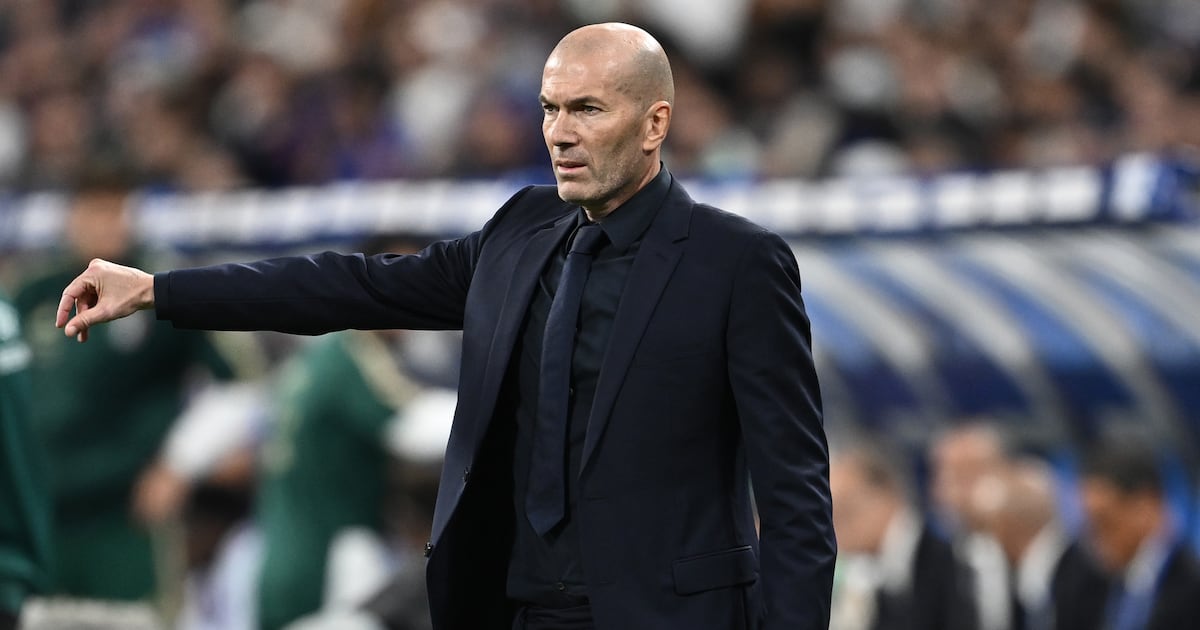
For years, PSG’s squad was built around accommodating individual superstars, often leaving managers tactically constrained. The exit of Mbappé marked the clean break the club desperately needed. Instead of chasing another marquee name, sporting director Luís Campos and manager Luis Enrique pivoted to a collective, youth-first philosophy.
This new-look PSG is built around high-intensity pressing, rapid transition play, and fluid teamwork. Rather than funneling every attack through a single focal point, the goal-scoring burden is now shared. Players like Bradley Barcola have stepped into the spotlight, demonstrating that a cohesive system can outshine individual star power.
Why This Strategy Matters
PSG’s rebuild is a major case study for modern football economics and team building. It proves that even state-backed clubs are recognizing the limits of the "super-team" era. By moving away from massive wage bills and ego-driven dressing rooms, PSG has created a more sustainable, adaptable, and hungry squad.
Financially, this shift has freed up enormous capital, allowing the club to comfortably align with UEFA's stringent Financial Fair Play (FFP) regulations while investing heavily in world-class training facilities and elite scouting networks.
What's Next for PSG
The immediate domestic success under Luis Enrique has silenced early skeptics, but the ultimate metric of success remains the Champions League. This younger roster will undoubtedly face tactical hurdles and inconsistency against Europe’s elite.
However, the Parisian hierarchy is preaching patience—a luxury never afforded to previous managers. PSG is no longer just a collection of famous names; they are finally playing like a unified team.