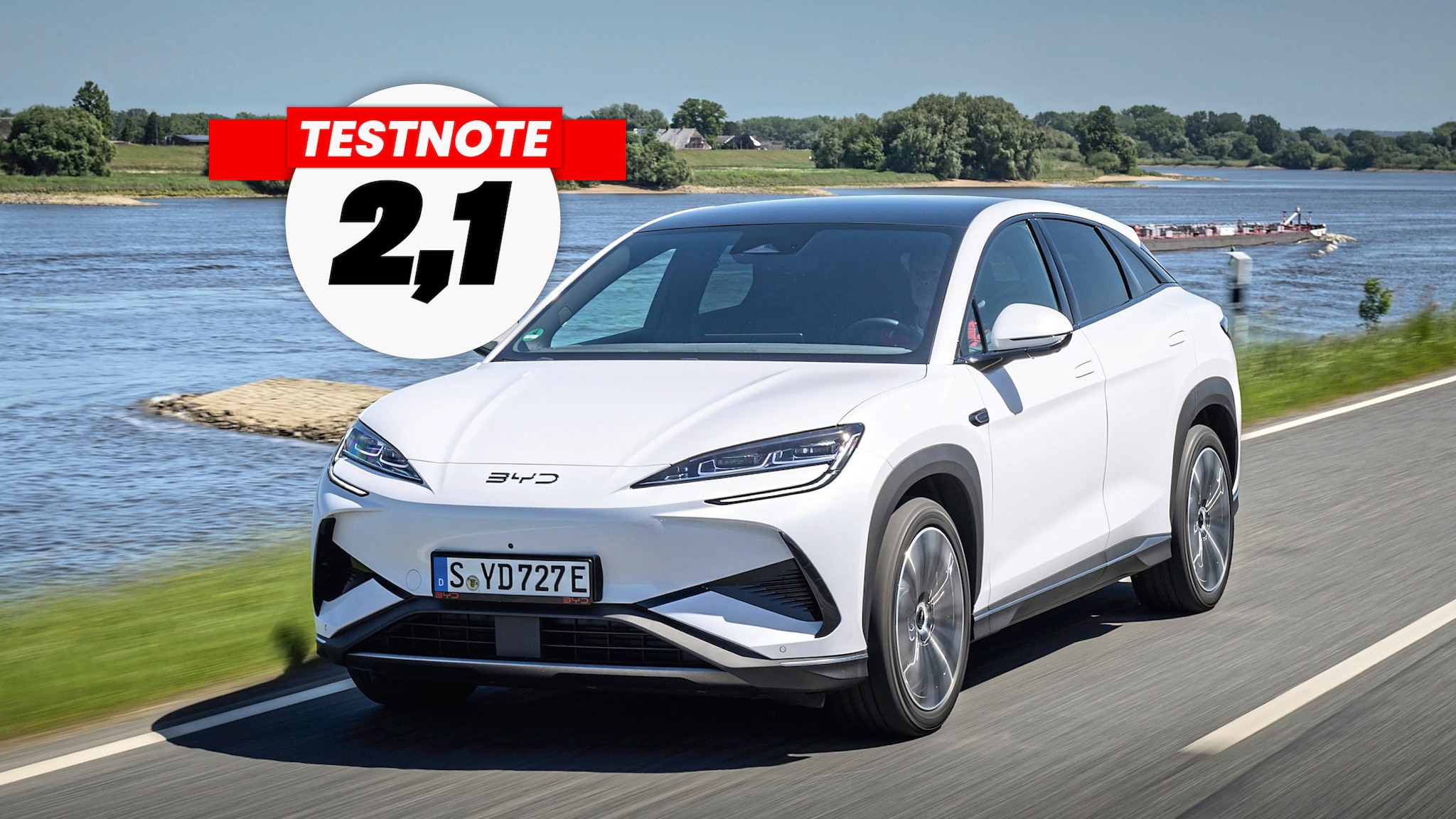
What Happened
BYD has rapidly transformed from a domestic Chinese battery maker into a dominant force on the global automotive stage. By consistently undercutting legacy automakers on price while offering competitive range and modern technology, the company has surged past traditional rivals in several key international markets.
The strategy hinges on deep vertical integration. Unlike many Western competitors that rely heavily on third-party suppliers for raw materials and microchips, BYD manufactures a vast majority of its own components—most notably its proprietary Blade Batteries. This end-to-end control over the supply chain allows the company to absorb global cost pressures and offer affordable electric vehicles (EVs) without sacrificing profit margins.
Why It Matters
The rapid rise of BYD is sending shockwaves through legacy automotive strongholds in Europe, North America, and Asia. Traditional car manufacturers are finding it increasingly difficult to compete with vehicles that offer advanced infotainment, solid build quality, and long driving ranges at a fraction of the cost.
For consumers, this shift means the financial barrier to entry for owning an electric vehicle is dropping faster than anticipated. However, for established auto workers, unions, and legacy executives, the trend signals an urgent need to restructure manufacturing processes and accelerate cost-cutting measures just to stay relevant.
Important Context
Decades of heavy state backing for domestic clean-energy supply chains in China laid the groundwork for BYD's current dominance. Now, Western regulators are scrambling to respond. As Chinese automakers push aggressively into foreign territories, governments are weighing defensive measures, including steep tariffs and trade investigations, to protect domestic manufacturing jobs.
Despite these regulatory hurdles, BYD is pressing ahead by establishing localized manufacturing plants in key regions like Europe and South America. Building cars closer to the end consumer allows the company to effectively bypass potential import penalties and supply chain bottlenecks.
What's Next
The battle for EV supremacy is entering a critical phase. As BYD ramps up its export volume and introduces newer, higher-margin models—including luxury SUVs and advanced smart-driving technology—legacy brands are forced to innovate faster than ever. The coming years will determine whether traditional giants can successfully pivot their production lines or if the global mass-market EV sector belongs permanently to agile newcomers.


